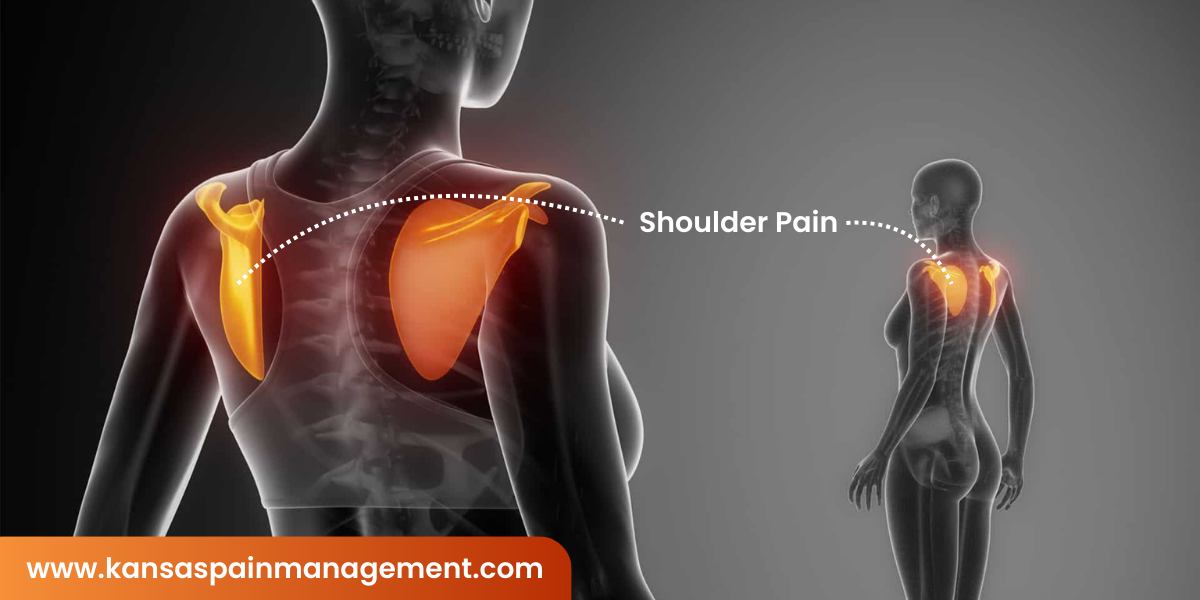
Shoulder pain refers to discomfort in or around the shoulder joint — an intricately structured area that supports a wide range of movement including lifting, reaching, and rotation. Because the shoulder has the greatest range of motion of any joint in the body, it is also prone to injury and overuse.

Shoulder pain can occur after an injury, from chronic conditions like arthritis, or due to muscle and tendon problems.

What Causes Shoulder Pain?


Shoulder pain can arise from a variety of sources. It may be due to problems within the shoulder joint itself or from structures surrounding it.

Common Causes

Rotator Cuff Disorders
The rotator cuff consists of muscles and tendons that stabilize the shoulder.

  • Rotator cuff tendinopathy (tendon irritation)
  • Rotator cuff tears
    These often cause pain with lifting and reaching overhead.

Impingement Syndrome
When structures in the shoulder rub against each other abnormally, causing pain and inflammation.

Bursitis
Inflammation of the fluid‑filled sacs (bursae) that cushion shoulder tissues.

Arthritis

  • Osteoarthritis (wear‑and‑tear)
  • Inflammatory arthritis (autoimmune)
    These cause aching, stiffness, and reduced motion.

Frozen Shoulder (Adhesive Capsulitis)
Stiffness and pain with limited movement.

Instability & Dislocation
Shoulder “slipping” out of place after injury or repetitive stress.

Fractures and Trauma
Falls or direct impacts can cause bone injury.

Referred Pain
Shoulder pain can sometimes originate from the neck or back (radiculopathy or other referred sources).


Symptoms of Shoulder Pain


Symptoms depend on the cause but commonly include:

  • Aching or sharp pain in the shoulder
  • Pain with movement or when lifting objects
  • Stiffness or limited range of motion
  • Weakness in the arm or shoulder
  • Pain that radiates into upper arm or neck
  • Clicking or grinding sensations

Symptoms may be acute (sudden onset after injury) or chronic (gradual and persistent).


How Is Shoulder Pain Diagnosed?


Diagnosis begins with a detailed history and physical examination including assessment of:

  • Pain location, onset, and triggers
  • Range of motion and strength
  • Posture and functional limitations
Diagnostic Tests May Include:
  • X‑rays — assess bone alignment and arthritis
  • Ultrasound — visualize tendons, bursae, and soft tissues
  • MRI scans — detailed images of soft tissue structures
  • CT scans — assessment of complex bone or joint pathology

Accurate diagnosis helps determine whether pain originates from tendons, ligaments, joints, nerves, or referred sources.


Treatment Options


Conservative & Self‑Care Strategies

Most shoulder pain responds well to initial conservative care:

Rest & Activity Modification
Modify movements that aggravate symptoms.

Medications

  • NSAIDs (anti‑inflammatory pain relief)
  • Pain relievers for comfort

Ice & Heat Therapy
Ice reduces swelling and heat eases stiffness.

These approaches help reduce inflammation and discomfort.


Physical Therapy

Physical therapy focuses on:

  • Strengthening rotator cuff and stabilizing muscles
  • Improving shoulder flexibility and posture
  • Reducing pain‑related compensations

A guided exercise program often accelerates recovery and prevents recurrence.


Interventional Pain Management

When conservative care is not enough or pain persists:

Corticosteroid Injections
Target inflammation inside the joint or around irritated tissues.

Trigger Point Injections
Can relieve muscle‑related pain patterns.

Nerve Blocks
Interrupt pain signals from specific nerves related to shoulder pain.


Regenerative & Advanced Therapies

For persistent or degenerative shoulder conditions:

Platelet‑Rich Plasma (PRP)
May support tissue healing.

Prolotherapy
Stimulates the body’s healing response.

These options are considered case‑by‑case based on individual goals and imaging findings.


Surgical Considerations

Surgery may be appropriate when:

  • Structural damage is severe (large tears)
  • Persistent pain doesn’t respond to non‑surgical care
  • Instability or significant functional limitations exist

Examples include arthroscopic repair, joint stabilization, or shoulder replacement. Surgical options are individualized based on diagnostic findings and goals.


Prognosis — What to Expect


Most shoulder pain improves with a combination of therapy, conservative measures, and strength training. Early assessment often leads to better outcomes and minimizes long‑term dysfunction.

Leave a comment